

Applications of Centrifugal Casting Furnace Tubes in Petrochemical Plants
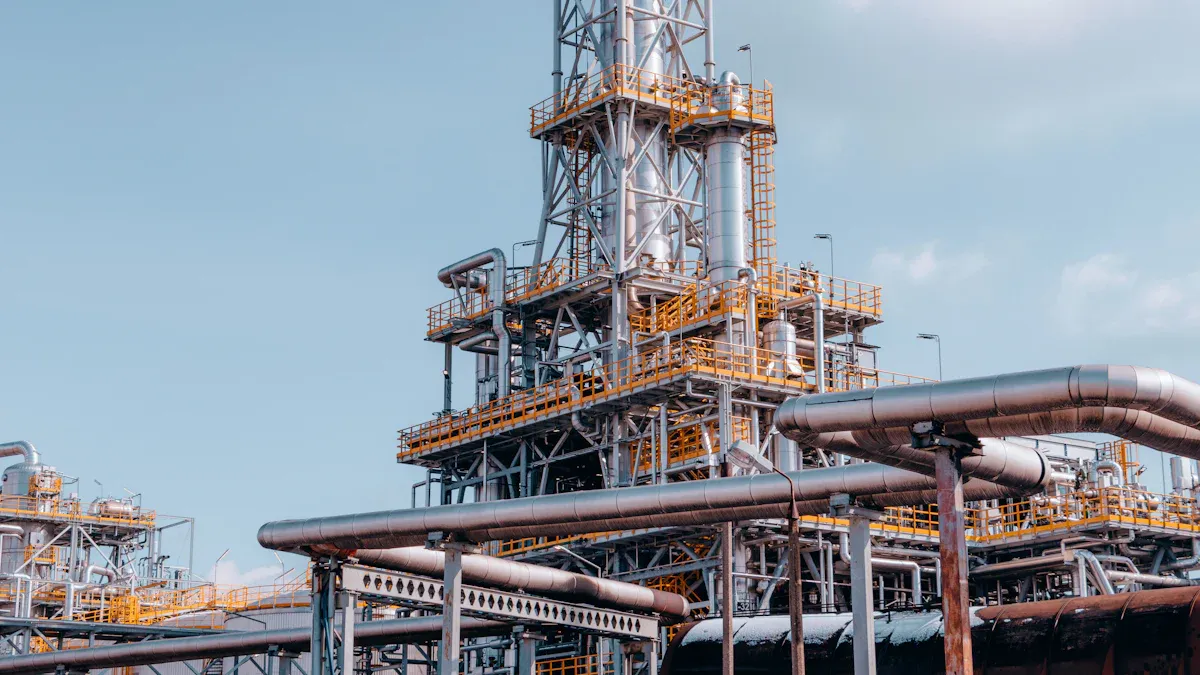
Centrifugal casting furnace tubes are very important in petrochemical plants. They work well where heat and pressure can damage equipment. These tubes last a long time in reformer and cracking furnaces. They keep their walls even and strong. They also stay dense and do not break from heating and cooling many times.
Leading companies like TOPICN make tubes that help workers get:
- Tubes that last longer and need less fixing
- Even heat flow and tubes that keep their shape
- Less time stopped and safer work by stopping tube breaks
Engineers pick centrifugal casting tubes because they handle tough jobs. They help plants run safely and work well.
Key Takeaways
- Centrifugal casting furnace tubes are tough and last a long time in hot, high-pressure petrochemical plants. These tubes have thick, even walls that stand up to heat, rust, and damage from heating and cooling many times. They work well in reformer furnaces, cracking furnaces, and heat exchangers. This helps plants stay safe and work well. Picking the right alloy and putting in tubes the right way stops early breaks and expensive fixes. Checking tubes often and fixing them on time keeps them safe and makes them last longer. This saves money and stops work from being delayed.
Centrifugal Casting Tubes
Process Overview
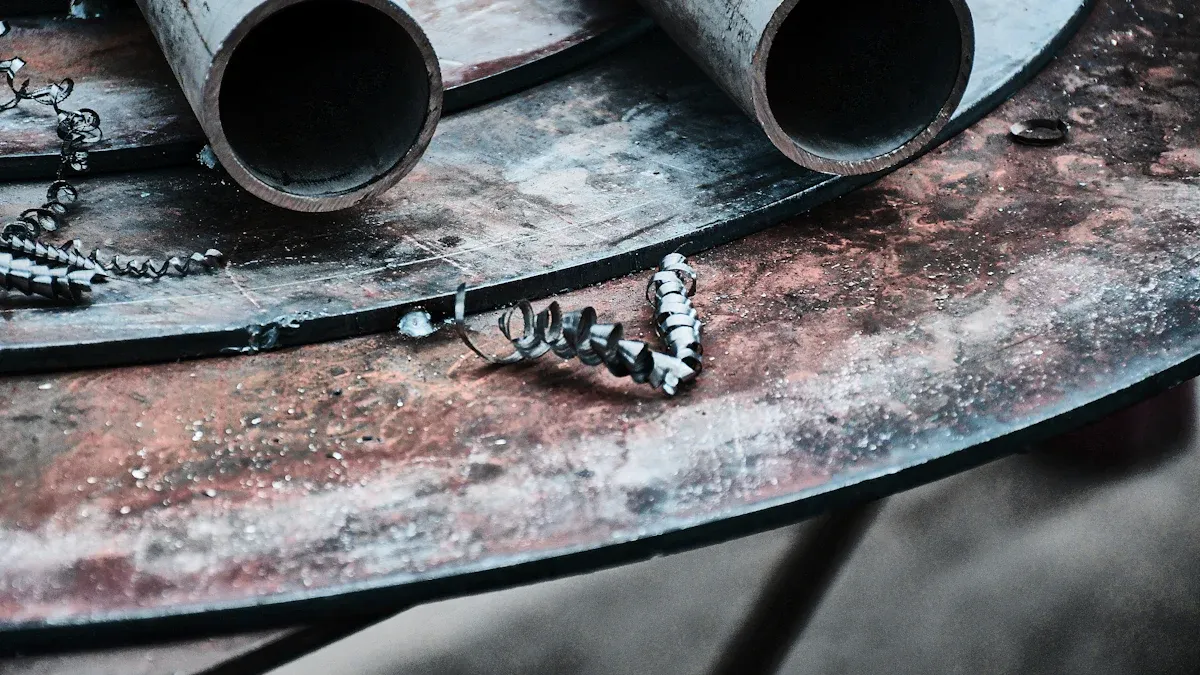
Centrifugal Casting makes furnace tubes strong and dependable. The process uses a spinning mold to shape hot metal into a tube. Spinning helps get rid of bad stuff in the metal. It also makes the tube walls thick and even. Here are the main steps:
- A steel or cast iron mold gets a special coating.
- The coating dries so the tube does not stick or get damaged.
- The mold is heated up to stop it from cracking.
- Hot metal is poured into the spinning mold at the right heat.
- The mold spins fast, pushing the metal out for even walls.
- The tube cools and hardens while the mold keeps spinning.
- The finished tube comes out and gets checked and shaped.
TOPICN uses modern machines and checks every step. Their skill makes sure each tube is great for petrochemical plants.
Material Choices
Makers pick materials that work well in petrochemical plants. They often use stainless steel, nickel-based alloys, and Fe-Ni-Cr-based alloys. These materials can handle heat, rust, and pressure. Stainless steel tubes are strong and work in very hot places. Nickel-based alloys are even better with high heat and tough chemicals. TOPICN makes special alloys for different plant needs. This helps keep work safe and smooth.
Key Properties
Centrifugal Casting furnace tubes must follow strict rules. The table below lists some important standards and certificates:
These tubes can handle heat, rust, and heavy use. TOPICN’s tubes pass many tests like ultrasonic, magnetic, and X-ray checks. Their tubes work safely and last a long time in tough petrochemical places.
Main Applications
Reformer Furnaces
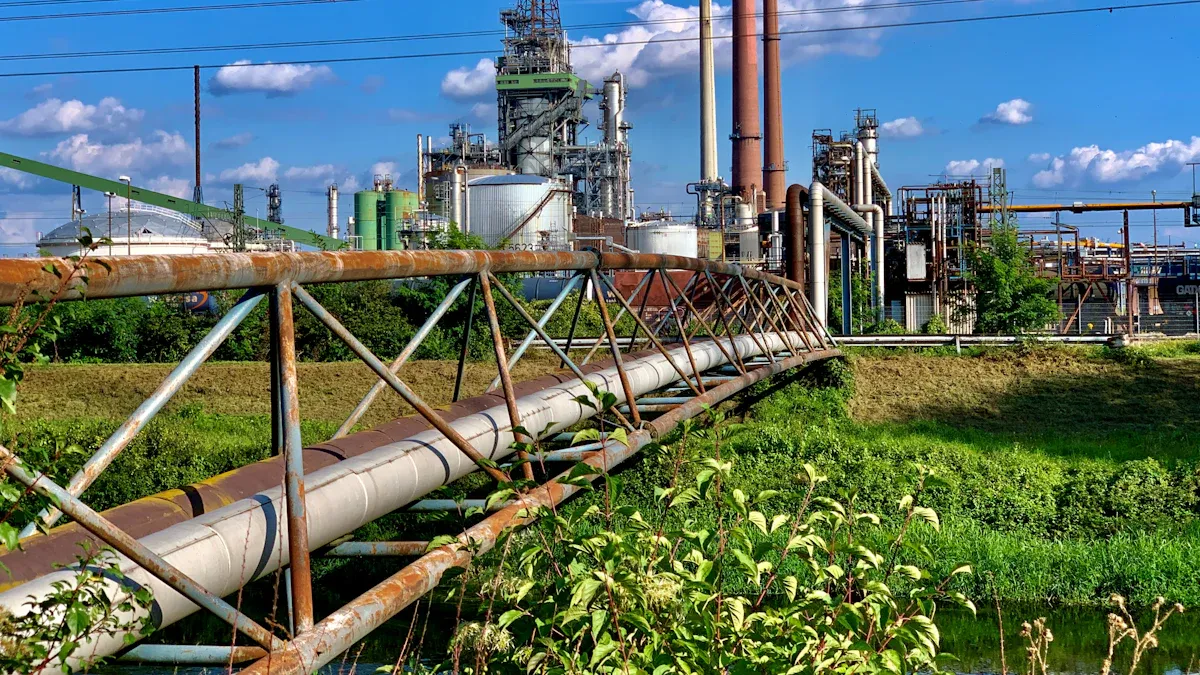
Reformer furnaces are very important in petrochemical plants. Workers use these furnaces to make hydrogen, ammonia, and methanol. Inside, many tubes move gas mixtures through a catalyst bed. These tubes get very hot, almost 1000°C, and face high pressure. Centrifugal Casting furnace tubes are strong and stable for this tough job. Their thick walls stop bending and cracking, even after many years. Engineers trust these tubes in places like crude distillation units, vacuum distillation units, catalytic reforming units, and hydrogen production units. Workers check the tubes often with laser optic tools to keep things safe. When tubes wear out, workers change them to stop problems and keep the plant working well.
Note: TOPICN gives reformer furnace tubes that follow strict rules. Their tubes help plants last longer and make hydrogen safely.
Cracking Furnaces
Cracking furnaces help make ethylene and other chemicals. These furnaces break big hydrocarbon molecules into smaller ones with heat. The tubes inside must handle heat up to 1100°C and fight damage from coking and carburization. Centrifugal Casting makes tubes with even, strong walls. This process lowers defects and helps the tubes resist heat. Tubes made this way last longer and keep their shape under stress. Plants use these tubes in ethylene pyrolysis, steam crackers, and direct reduction of iron units. Special alloys in these tubes help stop rust and make them last longer. Centrifugal casting tubes are more reliable and need less fixing than other tubes.
- Key benefits in cracking furnaces:
- High resistance to thermal shock
- Superior dimensional stability
- Longer operational life
Heat Exchangers
Heat exchangers move heat between fluids in many plant jobs. The tubes inside must handle quick temperature changes and lots of heat. Centrifugal Casting furnace tubes are tough and resist heat for these jobs. Their thick, even walls help move heat well and stop leaks or breaks. Plants use these tubes in reactor charge heaters, high-temperature pipes, and other important machines. Good heat exchanger tubes help the plant work better and stop delays.
Plants that use TOPICN’s centrifugal casting tubes in heat exchangers get steady results and save money on new tubes.
Advantages
Durability
Centrifugal Casting furnace tubes are very tough in petrochemical plants. Tubes made with HP-Nb alloys and titanium stay strong and do not bend. They last a long time and do not need to be changed often. When tubes get old, workers can weld new parts onto them. This is faster and cheaper than getting a whole new tube. But welding needs care so cracks do not form. Plants use special tools like the Laser Optic Tube Inspection System to look for damage. These checks help engineers know when to fix tubes during plant breaks. This keeps the plant working well. TOPICN makes tubes that last a long time. This helps plants have less downtime and plan repairs better.
Heat Resistance
Petrochemical plants get very hot. Furnace tubes must work in heat up to 1100°C. They must not lose their shape or strength. Centrifugal Casting makes tubes with thick, even walls. The metal is packed tight, so it does not get hurt by heat. Tubes made with Fe–Cr–Ni alloys stay strong for many years. TOPICN uses special alloys and checks each tube carefully. This makes sure every tube can handle tough heat. The tubes do not crack, bend, or break, even when they heat up or cool down fast.
Cost Efficiency
Saving money is important for every plant. Strong and heat-proof tubes mean fewer stops and less money spent fixing things. Centrifugal Casting tubes from TOPICN last longer. Plants do not have to buy new tubes as often. If a tube needs fixing, workers can just replace part of it. This saves money and time. Regular checks help find problems early. Plants can fix small issues before they get big. This helps plants save money and keep making products.
Plants that use TOPICN’s centrifugal casting furnace tubes get tubes that last longer, need fewer fixes, and help control repair costs.
Challenges
Material Selection
Engineers have a hard job picking the right alloy for furnace tubes in petrochemical plants. The tubes get very hot, sometimes up to 1070°C. This heat puts a lot of stress on them. Over time, alloys like 20Cr33NiNb can get weaker. The metal inside changes, like when NbC carbide turns into G phase. These changes make the tubes easy to break and not as strong. Creep damage and carburization also make the tubes fail faster. Sometimes, tubes break much sooner than people think. This can cost a lot of money. The best material should not get brittle or weak. It should fight off creep and carburization. It also needs to stay strong and keep its shape after many years of heat and stress.
Key factors for material selection:
- Must not get brittle or weak
- Should fight off creep
- Needs to stop carburization
- Must work well for many years
Installation
Putting in the tubes the right way is very important. It helps the tubes stay safe and last longer. Workers must follow rules so the tubes do not get hurt. They need to line up each tube just right and use good supports. If workers hurry or skip steps, the tubes might bend or crack later. Each tube has to fit tight so there are no leaks or hot spots. Skilled teams use special tools to check if the tubes are lined up and held well. Good installation makes the tubes last longer and keeps them from breaking early.
Maintenance
Checking the tubes often keeps them safe and working well. Most plants use non-destructive testing (NDT) to look for problems. Workers search for bulges or cracks in the tubes. They check the tubes when the plant shuts down, not on a set schedule. The table below shows important facts about checking and changing tubes:
Cracks start when the oxide layer wears off. This lets carbon get into the metal and cause damage. Too much heat during cleaning can make things worse. Checking the tubes often, looking for damage, and changing them on time helps stop failures. Plant teams use these steps to keep things safe and avoid losing money from shutdowns.
Centrifugal casting furnace tubes help petrochemical plants work safely and well. TOPICN’s tubes do a great job in reformers, crackers, and heat exchangers. Plant engineers should think about these things when picking tubes:
- Tubes that are dense and have no defects last longer and fight rust
- The way the metal cools makes tubes stronger
- Careful cutting makes the inside size just right
- How the mold is set changes the tube’s shape
- The alloy picked changes how good the tube is
- This process uses less material and saves money
- Tubes can handle strong chemicals and high pressure
These ideas help engineers pick good tubes and plan for repairs.
FAQ
What makes centrifugal casting furnace tubes better for high-temperature use?
Centrifugal casting makes tubes with thick, even walls. These tubes can handle heat and pressure well. They do not break or bend easily. This helps them last longer in hot furnaces.
How often should engineers inspect furnace tubes in petrochemical plants?
Engineers should check the tubes every time the plant shuts down. They use special tests to find cracks or bulges. Checking often keeps the plant safe and stops sudden problems.
Which alloys work best for centrifugal casting furnace tubes?
Alloys like stainless steel, Fe-Ni-Cr, and nickel-based alloys work well. These materials can handle heat, rust, and strong chemicals. Engineers pick the alloy based on how hot and tough the job is.
Can damaged furnace tubes be repaired, or must they be replaced?
Many tubes can be fixed by welding on new parts. Workers must follow careful steps to do this. If the tube is too damaged, engineers put in a new one to keep things safe.
Why do petrochemical plants prefer TOPICN’s centrifugal casting tubes?
TOPICN checks their tubes carefully and uses strong alloys. Their tubes meet all the rules for the industry. Plants trust TOPICN because their tubes last long and help save money on repairs.